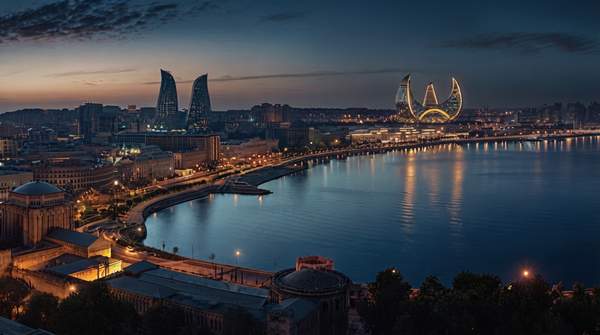
The 7th World Forum on Intercultural Dialogue closed in Baku, Azerbaijan, on 29 October 2026 after three days of sessions, and its co-organizers left with one central demand: governments must move intercultural understanding from conference rhetoric into national policy. UNESCO, reporting on the forum it ran with partners under the theme "Dialogue for a shared future: Building bridges in a fractured world," said the gathering demonstrated how intercultural dialogue fosters peace when embedded in government policy rather than confined to cultural events.
The forum, held from 27 to 29 October, brought together the UNESCO Director-General, young leaders from across the world, religious and academic figures, and delegations from member states. According to UNESCO's own account of the event, a special session featured participants in the Youth for Peace programme describing how they build trust and convert dialogue into community action. The closing request directed at member states, issued before the next forum, marks the forum's most concrete policy output.
Baku Forum Concludes with Call for Policy Integration
UNESCO framed the forum's significance in deliberately operational terms. Rather than treating dialogue as a standalone cultural exercise, the organization argued that its peace-building value materializes when governments weave it into education, digital policy, cities, employment, and security decisions. That framing, set out in UNESCO's published report on the forum, defines the standard against which the event's impact will be judged.
The forum's structure reflected that ambition. It opened with a session positioning intercultural leadership as a core capability for divided societies, a discussion convened with the UNESCO Director-General and young leaders that, in the words of the UN Web TV session description, examined "what intercultural leadership looks like in practice and how it can help societies navigate fractured environments." Subsequent days moved through religious, digital, commercial, and heritage-focused tracks before a closing ceremony on 29 October.
The interreligious track carried particular institutional weight. The Academic Forum of the UNESCO–UNITWIN Network on Interreligious Dialogue and Intercultural Understanding convened five panels examining how cooperation across religious traditions and between religious and secular actors can strengthen trust and peace. UNESCO stated that the conclusions from those panels will inform its future work in the field, giving the forum a downstream life beyond the event itself.