Private art foundations have emerged as pivotal institutions in shaping contemporary art discourse, offering distinct operational and curatorial models for public engagement and the preservation of cultural legacy. These entities empower philanthropists and collectors to transcend the traditional gatekeeping of public museums, allowing them to exert significant control over the narrative surrounding their collections and actively influence art history. By examining the Dia Art Foundation, the Judd Foundation, and the Pinault Collection, one can discern varied, yet equally impactful, approaches to establishing a lasting presence within the art world.
The proliferation of these private institutions signifies a profound cultural shift where art is no longer merely safeguarded but is actively framed within coherent, often personally curated, narratives. As Katy Donoghue observed in Whitewall, collectors, through their foundations, effectively position themselves as cultural architects, ensuring their holdings remain central to ongoing artistic conversations. This autonomy allows them to respond with agility to contemporary themes, whether concerning identity, ecology, or geopolitics, thereby shaping art history in real-time.
Dia Art Foundation: Preserving Artist Vision
The Dia Art Foundation, established in New York in 1974 by Philippa de Menil, Heiner Friedrich, and Helen Winkler, is fundamentally committed to advancing, realizing, and preserving artists' visions. Its mission is fulfilled through the commissioning of single-artist projects, the organization of focused exhibitions, and the realization of site-specific installations, alongside the in-depth collection of works by a select group of artists from the 1960s and 1970s, according to the Dia Art Foundation. The name "Dia," derived from the Greek word meaning "through," aptly reflects the institution's role in enabling ambitious artistic endeavors that might otherwise be unattainable due to their inherent scale or scope.
Dia's collection notably includes works by seminal Minimalist artists such as Donald Judd and Dan Flavin. The foundation maintains a significant public presence through its nine permanent sites across the United States and Germany, complemented by three changing exhibition spaces in New York State: Dia Chelsea, Dia Beacon, and Dia Bridgehampton. Its unwavering commitment to site-specific projects is exemplified by its stewardship of Walter De Maria's The Lightning Field (1977) in New Mexico and Nancy Holt’s Sun Tunnels (1973-76) in Utah, which Dia acquired in 2018. This dedication continued with the addition of Cameron Rowland’s Depreciation, 2018, as a new Dia site in 2023, underscoring its consistent approach to artistic preservation since its inception.
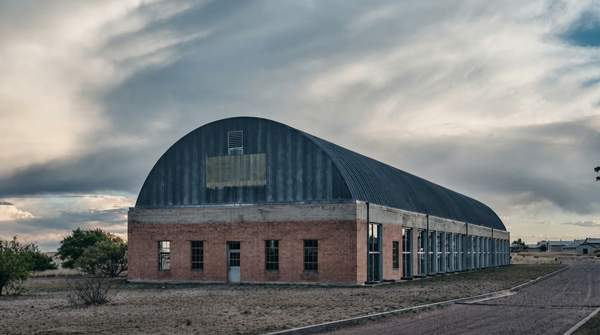
Dia Beacon, opened in 2003 in a former Nabisco box printing factory, serves as a primary venue for presenting Dia’s collection of art from the 1960s to the present, alongside special exhibitions and public programs. This focused curatorial strategy, emphasizing a specific historical period and a deep engagement with individual artists' oeuvres, has profoundly influenced the discourse around Minimalist and Post-Minimalist art, establishing Dia as a crucial arbiter of these movements' legacies.
Judd Foundation: Legacy of an Artist's Environment
The Judd Foundation is singularly dedicated to preserving the art and archives of Donald Judd, a landmark figure in twentieth-century American art who fundamentally reshaped the understanding of sculpture. Despite his well-documented "lifelong antipathy to the term minimalism," Judd is widely recognized as a pioneer, theorist, and key representative of the movement, as noted by Sprüth Magers. The foundation's primary focus is exclusively on Judd's extensive body of work and his enduring legacy, encompassing his iconic sculptures, furniture designs, and architectural installations. It actively engages in meticulous restoration and architectural preservation efforts to maintain his living and working spaces in both New York City and Marfa, Texas.
Judd's vision extended beyond individual artworks to the creation of environments that integrated art, architecture, and land. In Marfa, Texas, he established the Chinati Foundation to preserve his own work and that of other artists. The Judd Foundation, by preserving his specific spaces, offers public access to these environments, allowing visitors to experience his work within the precise contexts he intended. The Chinati Foundation, which opened to the public in 1986 as an independent, non-profit, privately funded institution, began its construction and installation in 1979 with initial assistance from the Dia Art Foundation, as reported by Charles Giuliano in Berkshire Fine Arts.
While the Chinati Foundation's collection expanded to include works by artists such as Dan Flavin, John Chamberlain, and Carl Andre, it remains deeply rooted in Judd's foundational principles of long-term, site-specific installations. This model, centered on the meticulous preservation of a singular artist's complete environment and oeuvre, offers a distinct alternative to traditional museum institutions and has significantly influenced contemporary artist-led exhibition practices, demonstrating a profound commitment to an artist's holistic vision.
Pinault Collection: A Collector's Curatorial Vision
The Pinault Collection embodies a distinct model of private art philanthropy, reflecting the personal taste and expansive vision of its founder, François Pinault. Its core mission is to present contemporary art and actively shape art history in real-time, a strategy that positions collectors as direct cultural producers, as observed by Katy Donoghue in Whitewall. This approach grants the collection significant autonomy to control its curatorial voice and respond swiftly to contemporary debates, ensuring its relevance and influence within the global art landscape. The collection's activities are deeply rooted in Pinault's personal preferences, which include a notable passion for Minimalism, a point highlighted by Jessica Morgan, Director of Dia Art Foundation, in The New York Times.
The Pinault Collection maintains a prominent public presence through its various venues, most notably the Bourse de Commerce in Paris. Exhibitions at these sites, such as "Minimal," draw extensively from Pinault's personal holdings, often comprising approximately 80 percent of the works on display, with additional strategic loans from institutions like the Dia Art Foundation. For instance, the "Minimal" exhibition, curated by Jessica Morgan, foregrounded unique yet interconnected artistic developments worldwide, drawing on an exceptional group of works from the Pinault Collection, supplemented by loans from Dia Art Foundation and other collections, according to the Bourse de Commerce – Pinault Collection.
This curatorial strategy allows the Pinault Collection to present a coherent and dynamic narrative of contemporary art, featuring works by artists such as Agnes Martin, Dan Flavin, Robert Ryman, and Donald Judd. By actively curating and presenting art through the lens of a singular, influential collector, the Pinault Collection directly influences the discourse around specific art movements and artists, demonstrating a powerful model for shaping art historical narratives through a collector's vision and resources.
Comparative Models of Cultural Legacy
The distinct operational and curatorial models of the Dia Art Foundation, the Judd Foundation, and the Pinault Collection offer varied yet equally compelling approaches to establishing cultural legacy and influencing contemporary art discourse. Each foundation's strategy reflects a unique philosophy regarding artistic preservation, public engagement, and the role of the institution or collector in shaping art history. While Dia focuses on the long-term stewardship of specific artists and site-specific works from a defined historical period, the Judd Foundation is dedicated to the meticulous preservation of a single artist's complete environment and oeuvre. In contrast, the Pinault Collection exemplifies a dynamic, collector-driven model that actively curates and presents contemporary art to shape current discourse in real-time.
These differences highlight the diverse ways private philanthropy can contribute to the art world, from institutionalizing the vision of a generation of artists to safeguarding the holistic output of a singular master, or leveraging a collector's taste to drive contemporary narratives. The following table provides a structured comparison of their core characteristics.
| Founding Principles/Mission | Primary Collection Focus | Public Access & Programs | Influence on Art Discourse | |
|---|---|---|---|---|
| Dia Art Foundation | Committed to advancing, realizing, and preserving artists' visions, particularly through commissioning single-artist projects and site-specific installations. | Collects in-depth the work of a focused group of artists from the 1960s and 1970s, including Minimalist artists like Donald Judd and Dan Flavin. | Operates permanent and changing exhibition sites, including Dia Beacon, and supports site-specific projects like Nancy Holt’s Sun Tunnels and Cameron Rowland’s Depreciation. | Its unwavering commitment to site-specific projects and focused collection has influenced the discourse around Minimalist and Post-Minimalist art. |
| Judd Foundation | Dedicated to preserving Donald Judd's art and archives, including his living and working spaces in Marfa, Texas, and New York. | Focus is exclusively on the work and legacy of Donald Judd, including his sculptures, furniture, and architectural installations. | Offers public access to Judd's preserved spaces in Marfa and New York, and its model influenced the artist-led Chinati Foundation. | Preserves a singular artist's vision and environment, offering an alternative to traditional museum institutions and influencing artist-led exhibition practices. |
| Pinault Collection | Reflects François Pinault's personal taste and vision, aiming to present contemporary art and shape art history in real-time. | Focuses on contemporary art, with a significant emphasis on Minimalism, drawing heavily from François Pinault's personal collection. | Presents exhibitions at venues like the Bourse de Commerce in Paris, featuring works primarily from the Pinault Collection with additional loans. | Positions collectors as cultural producers, controlling the curatorial voice to frame coherent narratives and influence contemporary art debates. |
Evaluating Foundation Models for Cultural Impact
The Dia Art Foundation, the Judd Foundation, and the Pinault Collection each represent distinct and effective models for private art philanthropy, offering valuable insights for philanthropists and collectors considering their own cultural legacy strategies. Dia emphasizes the long-term stewardship of artist visions, particularly for large-scale and site-specific works from a specific historical period, thereby profoundly shaping the understanding of Minimalism and Post-Minimalism. This model prioritizes institutional support for ambitious artistic endeavors that might otherwise be unrealized, ensuring their preservation and public accessibility for generations.
The Judd Foundation, conversely, focuses on the meticulous preservation of a single artist's complete environment and oeuvre, influencing how an artist's legacy can be maintained and experienced outside conventional museum settings. This approach offers an immersive understanding of an artist's work within its intended context, providing a unique contribution to art historical scholarship and public engagement. The Pinault Collection exemplifies a collector-driven model, where a singular vision actively curates and presents contemporary art to shape current discourse and art historical narratives in real-time. This approach allows for agility in responding to contemporary themes and positions the collector as a direct, influential contributor to cultural production.
Philanthropists and collectors should align their cultural legacy goals with a foundation model that best matches their desired curatorial control, public engagement, and artistic preservation strategy. The long-term impact of a foundation's model can be observed through its sustained exhibition programming, growth in public engagement metrics, and continued critical discourse around its collection and artists.
Sources
- Donald Judd — Sprüth Magers
- Minimal — Bourse de Commerce - Collection Pinault