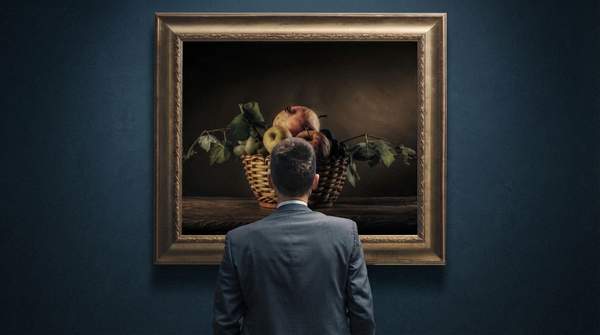
Embarking on the journey of building a private art collection transcends mere acquisition; it is an intimate venture that intertwines personal passion with a discerning eye for detail. For aspiring collectors and cultural philanthropists, developing a defined curatorial vision is paramount to transforming individual artworks into a cohesive and impactful body of work. This strategic approach prevents a "helter-skelter" accumulation of pieces, instead fostering a collection that tells a compelling story and reflects a unique aesthetic and intellectual journey. A strong curatorial vision provides the framework for intentional growth, ensuring that each new acquisition contributes meaningfully to the collection's overarching narrative and lasting significance. The Foundation of a Private Collection: Why Curatorial Vision Matters
A private art collection is more than a mere assembly of beautiful objects; it is a curated statement, a narrative crafted by the collector. As Elena Fontaine, writing for Composition Gallery, explains, curating a thematic art collection transforms individual artworks into a cohesive narrative that mirrors the collector's interests and aesthetic inclinations. Without a clear vision, a collection risks becoming a disparate assortment. Roger Dunbier, in an essay published by tfaoi.org, suggests that fundamental decisions about the scope of a collection are necessary to avoid a "helter-skelter" approach, urging collectors to consider their vision for the collection's objective and subjective criteria. LaFontsee Galleries further emphasizes that a strong collection tells a story, rather than being simply a cluster of beautiful objects. This narrative provides coherence and depth, guiding strategic acquisition and ensuring long-term clarity, a principle echoed by The Agency Art House, which advocates for approaching art collecting with strategy and a long-term vision.Defining Your Curatorial Vision: Themes, Periods, and Movements
Establishing a clear curatorial vision involves defining specific parameters that will give your collection its unique identity and focus. One effective approach is to embrace a thematic focus. Elena Fontaine highlights that a thematic collection weaves individual artworks into a larger story, reflecting personal interests and vision with coherence. This method not only provides depth of knowledge through comprehensive research into historical contexts and contemporary art scenes but also personalizes the collection, making it an extension of the collector's unique taste and intellectual journey.
Alternatively, a collection can center on specific historical periods or artistic movements. Fontaine notes that focusing on movements such as Op Art, Abstract Art, Pop Art, or Kinetic Art offers a unique window into diverse human experiences and emotions. This allows for a curated exploration of cultural and aesthetic narratives that resonate with an individual perspective, fostering a deeper understanding of art history and its expressions. Whether choosing a theme, an era, or a specific artistic movement, this focused approach sharpens the collection's identity and enhances the collector's appreciation of art.
Crafting Your Collection's Narrative and Personal Story
Beyond thematic or historical parameters, a private art collection gains profound meaning when it embodies a personal narrative. LaFontsee Galleries emphasizes that a strong collection is not merely a cluster of beautiful objects but rather a story. This narrative can manifest in various ways: it might be geographic, focusing on artists from a particular region; thematic, exploring subjects like nature or abstraction; or deeply personal, reflecting significant moments or experiences in the collector's life.
This personal story provides coherence and depth, transforming individual pieces into a unified whole. A curator can be instrumental in shaping this narrative over time, ensuring that the collection evolves with intention. LaFontsee Galleries advises that starting an art collection is less about rapid acquisition and more about slowing down to cultivate a clear vision. This deliberate approach allows the collection to develop a unique identity, making it a testament to the collector's journey and perspective.
Strategic Acquisition: Aligning New Pieces with Your Vision
Once a curatorial vision is established, strategic acquisition becomes the method by which the collection grows with purpose. The Agency Art House underscores the importance of approaching art collecting with strategy, clarity, and a long-term vision, particularly for those building or refining high-value collections. This involves making informed decisions rather than succumbing to trend-driven buying. Roger Dunbier's insights, published by tfaoi.org, suggest that fundamental decisions about the collection's scope are crucial for guiding acquisition strategies, moving beyond an uncoordinated approach.
Acquisitions should be evaluated not just for their individual merit but for how they integrate into and enhance the existing curatorial framework. This means considering the context and intentions behind artworks to ensure they enrich the collection's overall narrative. Strategic acquisition ensures that each new piece contributes to the collection's established themes, periods, or personal story, reinforcing its coherence and depth.
Building Essential Relationships in the Art World
Developing a significant private art collection is inherently a collaborative endeavor, deeply reliant on cultivating strong relationships within the art world. LaFontsee Galleries highlights that art collecting is fundamentally a long-term relationship business. Establishing trust with galleries is particularly beneficial, as it can lead to introductions to emerging artists, first access to new exhibitions, and invaluable support services such as installation, appraisal, and collection management. Many collectors have grown substantial private or corporate collections over decades through such sustained partnerships.
Roger Dunbier, in an essay published by tfaoi.org, suggests compiling contact lists of key figures, including authors, museum curators, dealers, gallery owners, and auction houses. Engaging with authors and museum curators can provide general advice and even lead to connections with other collectors who might share information or be open to direct sales or trades. These relationships offer crucial insights into the art market and facilitate informed decision-making, ultimately enriching the collection's development.
The Enduring Impact of a Cohesive Collection
A thoughtfully curated private art collection, guided by a defined curatorial vision, transcends the sum of its parts to become a powerful cultural statement. As Elena Fontaine notes, a thematic collection enhances the collector's understanding and appreciation of art, transforming individual pieces into a cohesive narrative. This intentional approach ensures that the collection is not merely an accumulation but a personalized extension of the collector's unique taste and intellectual journey.
Ultimately, a collection developed with a clear vision, strategic acquisitions, and strong relationships achieves lasting significance. It serves as a testament to the enduring power and diversity of artistic expression, offering a unique window into specific themes, historical periods, or artistic movements. Such a collection provides profound personal satisfaction and leaves a meaningful legacy, contributing to the broader cultural landscape.