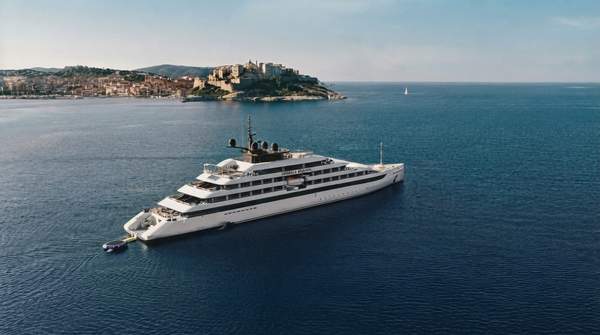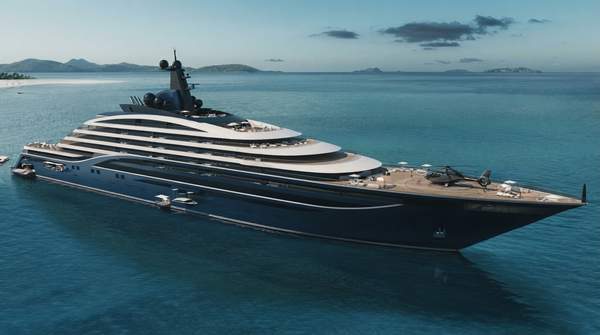
Silence at sea is not an accident of design; it is an engineering achievement. The quietest superyachts on the water today owe their calm to propulsion systems that attack noise at its source rather than muffling it afterward. Three technologies dominate this effort: direct-drive electric motors that eliminate gearboxes, hybrid systems that let diesel engines fall silent in harbor, and fuel cells that generate power through a chemical reaction with no combustion at all. Each works on a different principle, and together they explain why onboard quiet has become a defining feature of modern luxury yachting.
The Quest for Quiet: Understanding Superyacht Noise
To understand why these technologies matter, it helps to know what makes a conventionally powered yacht loud in the first place. The dominant culprit is structure-borne noise: vibration generated by diesel engines and mechanical drivetrain components that travels through the hull's structure and emerges as audible sound in guest cabins and saloons. Gearboxes are a particular offender, adding their own meshing whine and vibration to the engine's output before power ever reaches the propeller shaft.
Marine propulsion specialists frame the problem in exactly these terms. Berg Propulsion, which builds low-noise systems for the superyacht segment, notes that silent operation directly improves passenger comfort, and that reducing the number of moving parts also cuts maintenance. Rubber Design, whose Embrace system integrates an electric motor directly into existing propeller shaft installations, emphasizes that lower structure-borne noise is "crucial for the superyacht industry." The engineering goal, in other words, is not to insulate guests from machinery but to remove the machinery's capacity to shake the hull in the first place.
Direct-Drive Electric: Eliminating Mechanical Noise
The most elegant solution is also the most mechanically simple. A direct-drive electric system uses a permanent magnet motor to turn the propeller shaft directly, with no gearbox in between. The reason this is possible is torque: electric motors deliver high torque across their operating range, so the gear reduction that diesel engines require to match propeller speed becomes unnecessary. Remove the gearbox and you remove its vibration, its whine, and the structure-borne noise it transmits into the hull.
Rubber Design's Embrace system illustrates the approach. Because the motor's high torque output eliminates the need for gear reduction, the company reports lower noise levels and reduced structure-borne noise, along with a compact design that reduces required engine room space—freeing room elsewhere on board without compromising power. Berg Propulsion's direct-drive electric offering makes the same core claim: by eliminating gearboxes and driving the propeller directly, the technology "reduces noise and vibration significantly, offering superior comfort and efficiency for yachts." Fewer moving parts also mean less maintenance over the vessel's life.