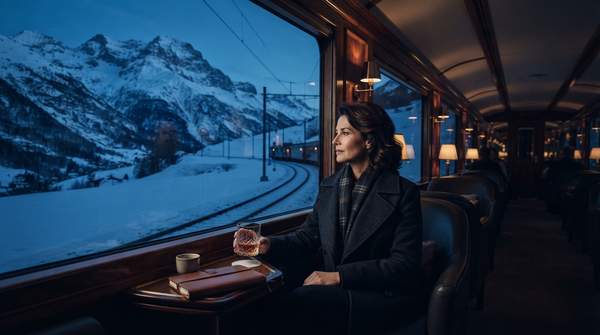
The most memorable luxury journeys are not built from marble bathrooms and champagne arrivals. They are designed—deliberately, piece by piece—around personalization, narrative, authenticity, and emotional payoff. That is the distinction I want to unpack here, because it is the difference between a trip that photographs well and a trip that changes you. Industry analysts and experience designers across the hospitality world describe the same shift: affluent travelers who can buy anything are increasingly shopping for something that cannot be replicated, and a small set of design principles explains how the best providers deliver it.
Beyond Opulence: The Evolution of Luxury Travel
The definition of luxury has quietly inverted. Writing on the future of luxury travel, the hospitality platform Lifestylehotels describes a movement away from "exclusivity, status, and material abundance" toward "authenticity, a connection to nature, and regeneration" as the true attributes of contemporary exclusivity. Its analysis goes further: luxury brands "must go beyond experiences and instead offer transformations," with guests expecting personalized offerings that enhance physical, mental, and emotional wellbeing.
The architecture firm HKS makes the same observation from the venue side of the industry. For affluent travelers, "novelty isn't enough," the firm notes—people who can afford every extravagance are looking for "something that can't be replicated: a genuine bond with the places they visit." Travel commentary from Avoya Travel confirms the demand side: rather than many short trips, travelers are choosing fewer, more meaningful journeys, and cruise lines and tour operators are responding with smaller groups, longer stays, and culturally rich itineraries.
Core Principles of Immersive Luxury Travel Design
Pulling these perspectives together, four principles recur across the expert commentary, and they form a usable framework for evaluating any proposed itinerary.
- Transformation over status. The journey is judged by inner fulfillment—wellbeing, growth, regeneration—rather than by the visible markers of expense.
- Hyper-personalization. Bespoke itineraries are curated by experts who integrate individual preferences rather than selling a fixed, off-the-shelf product.
- Narrative and emotional arc. The order and pacing of experiences are treated as design variables in their own right, shaping how the trip feels as it unfolds.
- Authentic local connection. The trip builds genuine bonds with a destination's ecology, culture, and heritage—experiencing a place, not just seeing it.
Crafting the Journey's Narrative: The Emotional Arc
The most sophisticated of these principles is also the least visible: the emotional arc. Gensler, the global design firm, frames its hospitality work explicitly in narrative terms, describing experiences designed "to create spaces that remove guests and travelers from their day-to-day lives" and exploring what "a narrative-based approach to hospitality design" entails. In an interview with Tom Ito, global leader of Gensler's hospitality practice, and Ann Morrow Johnson, who leads its Entertainment and Experience Design practice, the firm discusses designing memorable experiences "that offer more than just a place to stay or a photo to take home."
Translated into itinerary design, a narrative approach means the sequence matters as much as the content. A day of gentle orientation after arrival, experiences that build toward something, and deliberately unstructured hours left open for discovery all change what the trip feels like in retrospect. A list of premium activities scheduled at random can be expensive without ever being coherent. The expert commentary establishes the concept and its importance—though it does not prescribe a fixed template of stages, so treat the emotional arc as a design sensibility rather than a formula.
Hyper-Personalization: Anticipating Desires and Weaving Stories
Personalization is where bespoke travel earns its price. Glion, the hospitality education institution, describes an expectation level that has quietly risen: discreet concierge services, personalized itineraries, and bespoke offerings are "now expected," with luxury tourism combining exclusivity with customization. Citing Allied Market Research, Glion projects the luxury travel market to exceed $1.5 trillion by 2031, with affluent travelers prioritizing "premium experiences that go beyond the expected."
What that looks like in practice, per Glion's analysis, is an expansion of fully customized itineraries "curated by experts who understand how to combine comfort, cultural heritage and exclusivity"—private safaris with conservationists, culinary experiences led by local chefs, access to private art collections. The appeal for many luxury travelers, Glion notes, "lies in being part of something unique and unrepeated." The design principle to test for: does the provider weave your specific preferences into a coherent whole, or simply swap one hotel for another?
Authenticity and Connection: Beyond Sightseeing
Authenticity is the principle that most directly separates immersive journeys from conventional luxury touring. HKS Principal John Wix, who directs the firm's hospitality practice across Europe, the Middle East, and Africa, identifies the key as needing to "connect place, culture, and service in a truly authentic manner." His reasoning is instructive: "Guests travel to varying destinations because they want to experience the place and its culture," and authentic experiences inspire loyalty that ultimately shows up in occupancy rates and revenue per available room.
That commercial logic matters for you as a traveler, because it explains why the industry is reorienting around cultural depth rather than novelty. Avoya Travel's commentary reinforces the point from the traveler's side: immersive trips put you "at the heart of the culture," through local interactions and longer stays, rather than collecting destinations from a coach window. Valtech's experience-principles analysis adds a planning-stage angle, describing travel as "a deliberate investment in meaningful experiences that foster personal growth and connection."
Your Immersive Travel Evaluation Checklist
The expert commentary above can be condensed into six evaluative questions. Use this table against any proposed itinerary or provider conversation before you commit, and score each dimension honestly—a trip strong on material luxury but weak on narrative and connection is a fine vacation, but it is not an immersive one.
| Design principle | What experts say it means | Question to ask your provider |
|---|---|---|
| Transformation & fulfillment | Luxury is judged by inner fulfillment, wellbeing, and regeneration rather than status symbols. | Is this trip designed around my personal growth and wellbeing, or around displays of expense? |
| Hyper-personalization | Fully customized itineraries curated by experts who combine comfort, heritage, and exclusivity; personalization is now the baseline expectation. | How will my specific preferences be integrated beyond basic requests—and can you give an example? |
| Narrative & emotional arc | Experiences are sequenced and paced so the journey feels like a story, not a list. | How are the days ordered, and is unstructured time left for discovery? |
| Authenticity & local connection | Place, culture, and service are connected authentically; travelers experience the culture rather than observe it. | What genuine interactions with local people, ecology, or heritage does this include? |
| Access & exclusivity | Bespoke trips involve unique access—conservationists, local chefs, private collections—that cannot be repeated elsewhere. | What here is genuinely unique and unrepeated, rather than simply expensive? |
| Depth over quantity | Fewer, longer, more meaningful journeys are replacing many short trips. | Does the pacing allow me to go deeper in fewer places? |
A strong provider will answer these questions fluently and specifically. A weak one will redirect to thread counts and airport transfers.
Choosing Your Transformative Journey
The decision framework that follows from this evidence is straightforward: when evaluating luxury travel options, prioritize providers and itineraries that demonstrate a clear commitment to hyper-personalization, narrative design, and authentic cultural immersion, rather than solely focusing on material comforts or exclusive access. Both comfort and access have their place—but on their own they define the older model of luxury, the one industry analysts describe as increasingly out of step with what affluent travelers now want.
The measurable indicator to watch for sits in the first conversation you have with a provider: their ability to articulate how the trip's activities are sequenced to create a story, how your personal preferences will be integrated beyond basic requests, and how genuine local connections are fostered. If those three things can be explained concretely before you book, you have found a designer of experiences rather than a seller of extravagance. That articulacy—more than any star rating—is the signal of a journey built for transformation.
Sources
- The Future of Luxury Travel: How New Wellbeing Strategies Are Transforming the Hotel Experience - Lifestylehotels™
- Designing Luxury Travel Experiences — HKS Architects
- Beyond Sightseeing — Avoya Travel
- Using Narrative Design and Local Context to Create Authentic and Memorable Hospitality Experiences — Gensler
- Luxury tourism: what makes a destination truly high end? — Glion
- 5 experience principles shaping travel — Valtech