Among luxury handbags, a small group of models has historically delivered measurable financial performance rather than mere brand prestige. The Hermès Birkin has averaged roughly 14.2% compound annual growth over the last decade, according to resale-market analysis from Rome Station, outpacing the S&P 500's typical 10–12% average. Chanel Classic Flaps have posted 8–10% annual returns in recent years, while the Dior Lady Dior holds 70–90% of its retail value on the secondary market. The Bottega Veneta Andiamo, a newer "quiet luxury" contender, offers a different thesis: trend-resistant design and controlled distribution rather than proven appreciation. This comparison explains what each model's numbers actually mean—and where the headline figures deserve skepticism.
Key Factors Driving Handbag Investment Potential
Not every designer bag appreciates. Writing for Handbag Angels, collector guide author Lesley Stevenson identifies the three most influential elements of long-term value: brand reputation, rarity, and condition. These interact rather than operate independently—a scarce bag from a weak brand stays cheap, while a famous logo in oversupply floods the resale market.
Scarcity is the backbone of the strongest performers. Rome Station's analysis notes that Hermès set the standard here: acquiring a Birkin or Kelly is framed not simply as a purchase but as a matter of relationships and patience. Chanel has pursued a parallel strategy of raising prices and cutting production on its most sought-after styles, creating waitlists that can last years. The result is constrained supply meeting sustained demand.
Brand heritage supplies the demand side of that equation. A 2026 market roundup on investedluxury.com argues that the Chanel Classic Flap's resale strength rests on more than 40 years of heritage and near-universal recognition—because, as the author puts it, "people still WANT it. Demand matters for resale. A lot." Condition and market trends, including the shift toward smaller bags and understated, logo-free design, then determine where within a model's range a specific bag lands.
Investment-Grade Handbags: Performance and Value Drivers
The table below compares the models with the strongest documented track records. Note an important distinction: appreciation means a bag resells for more than its purchase price, while value retention means it resells for a percentage of current retail. A bag can show high retention without ever making its original buyer money, and the two figures are frequently conflated in resale marketing.
| Model | Reported Performance | Key Value Drivers | Investment Thesis |
|---|---|---|---|
| Hermès Birkin | ~14.2% average compound annual growth over the last decade; Hermès pieces average around 110% of retail on resale | Extreme scarcity, controlled production, single-artisan craftsmanship, brand prestige | Brand-enforced scarcity keeps resale above retail; the most established alternative-asset case |
| Chanel Classic Flap (Medium) | 8–10% annual returns in recent years; resale at 75–90% of retail; retail prices up roughly 60% in a decade | Iconic design, 40+ years of heritage, consistent demand, aggressive price increases | Timeless icon with steady demand; returns partly driven by retail price inflation |
| Dior Lady Dior (Medium) | 9% year-over-year growth per Vestiaire Collective; 70–90% retention, with bags from 5–7 years ago selling at 80–90% of current retail | Architectural shape, royal associations, wide generational reach | Strong value retention and steady performance rather than rapid appreciation |
| Bottega Veneta Andiamo | No long-term appreciation data available; positioned for value retention | Trend-resistant design, intrecciato leather recognition, controlled distribution in the high-luxury segment | Quiet-luxury play: timeless appeal rather than proven appreciation |
One caution belongs here: the investedluxury.com analysis argues that some Chanel "appreciation" is illusory, because a bag bought in 2019 for $5,800 appears "worth more" now largely because retail has climbed to $10,800 through repeated increases. That is retail inflation, the author contends—"price manipulation" rather than genuine market appreciation. Readers should treat published percentages with that distinction in mind.
Hermès Birkin: The Apex of Scarcity and Prestige
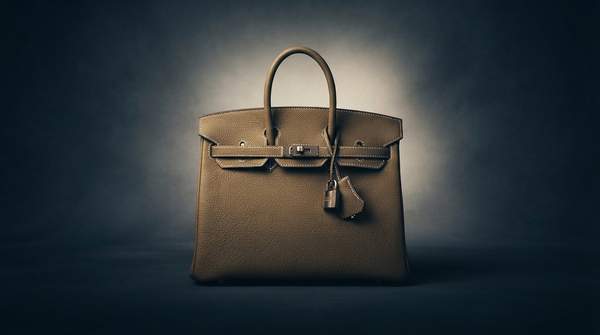
The Birkin's numbers are the strongest in the category, and its mechanics are unusually well documented. Rome Station reports the roughly 14.2% decade-long compound annual growth rate and frames limited runs and unique pieces as making these bags comparable to rare paintings or gold as collectible assets. The investedluxury.com roundup adds a structural explanation: Hermès pieces average around 110% of original retail on the resale market—not every piece, not every condition, but on average—which the author calls genuinely unusual in luxury goods.
The supply side is deliberately constrained. Each Birkin takes more than 18 hours of handwork by a single artisan, and production runs below demand. Specific configurations matter enormously: a Birkin 25 in Togo or Epsom leather in gold or black with gold hardware retails around $11,000 and resells closer to $26,000, according to Fashionphile's procurement team as cited by investedluxury.com. That spread is the clearest illustration of brand-enforced scarcity converting directly into resale premium.
The trade-off is liquidity and access. Rome Station notes that handbags are not as liquid as stocks—a Hermès Kelly can take weeks or months to sell. And the primary market itself is gated by purchase history and relationships, meaning the retail-to-resale arbitrage is not available to every buyer at will.
Chanel Classic Flap: Consistent Appreciation Through Iconic Design
The Classic Flap presents the most debated investment case among the established icons. Rome Station reports 8–10% annual returns lately, with retail prices up 60% over the last decade, meaning well-kept bags often sell for more than their original price. The investedluxury.com 2026 roundup lists the Medium Flap at $10,800 retail with resale at 75–90% of that figure.
The bull case is demand durability. Four decades of heritage, universal recognition, and a design that has resisted obsolescence keep resale demand broad even as prices climb. Chanel's repeated increases—investedluxury.com describes hikes of around $400 every few months—also mechanically lift the resale floor, since secondhand pricing tracks current retail.
The bear case is the same mechanism viewed critically. If a bag's "gain" mostly reflects retail inflation rather than independent secondary-market demand, the real return to an early buyer is smaller than headline percentages suggest. The honest reading: the Classic Flap has been a reliable store of value with moderate appreciation, but its recent performance figures deserve more scrutiny than the Birkin's, where resale prices exceed retail outright.
Dior Lady Dior and Bottega Veneta Andiamo: Emerging and Enduring Value
The Lady Dior occupies a middle tier: consistent rather than spectacular. Vestiaire Collective data cited by Vogue's Lilah Ramzi shows the bag rose 9% year-over-year and performs steadily across Fashionphile's and Rebag's top-ten lists. The investedluxury.com analysis reports 70–85% retention generally, with bags bought five to seven years ago now selling at 80–90% of current retail—meaning early buyers have often made money. Vogue attributes its staying power to an architectural shape, royal associations, and wide generational reach, calling it one of the few bags that functions as both heirloom and currency.
The Bottega Veneta Andiamo is the youngest model in this comparison and carries the least financial history. The style site No Time For Style, reviewing it as an investment pick, emphasizes what it is not: trend-driven. Introduced under Matthieu Blazy's creative direction, the Andiamo is logo-free yet recognizable through intrecciato woven leather, with a clean silhouette the reviewer argues won't look dated in five years. Bottega Veneta's controlled distribution in the high-luxury segment generally supports value retention, in that reviewer's assessment, and classic shades like black, fondant, or barolo are flagged as the safest long-term choices.
The distinction matters for buyers: the Andiamo's case rests on design durability and brand positioning, not on documented appreciation. It is a bet on a thesis, where the Birkin's case rests on a decade of realized returns.
Making Your Informed Handbag Investment Decision
When considering a luxury handbag as an investment, prioritize models with established brand heritage, proven scarcity, and consistent historical appreciation or strong value retention, while also accounting for personal preference and market trends. In practice, that means favoring the Birkin if scarcity-driven premium is the goal, the Classic Flap for broad demand with moderate appreciation, and the Lady Dior or Andiamo for retention-focused holding—recognizing that retention is not the same as profit.
Three caveats bound all of this. This analysis is not financial advice; handbag values fluctuate and past performance is not a guarantee of future returns. The figures come from publicly available resale-market data reported through early-to-mid 2026 and may not reflect current conditions. And authentication, selling platforms, and fees—excluded here—can significantly reduce net returns.
To check whether any model's thesis still holds, monitor current resale market reports and brand announcements for price adjustments or changes in production volume for chosen models. A Chanel price increase without matching resale growth, or a widening gap between Hermès retail and resale prices, would be the first measurable signal that these historical patterns are shifting.
Sources
- Luxury Handbags vs. Traditional Investments: How They Stack Up — Rome Station
- Investedluxury
- Handbags as an Investment: A Guide to Building a Collection — Handbag Angels
- Market Watch: These Are the Handbags With the Highest Resale Values — Vogue
- Best Investment Bags 2026: Timeless Designer Picks — No Time For Style