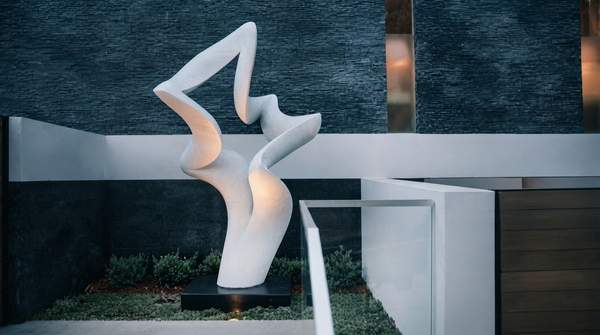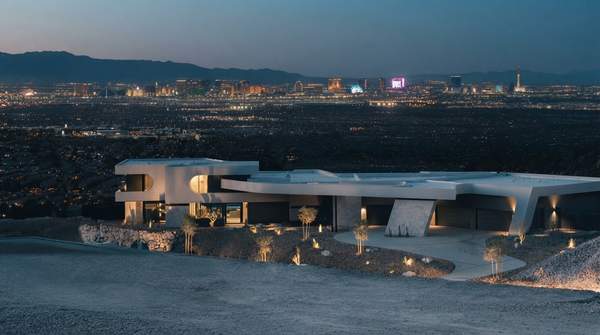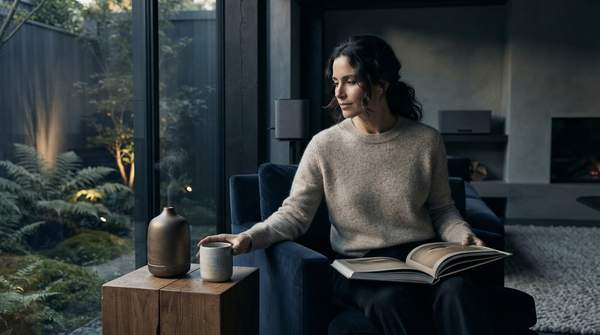
The most compelling luxury homes are not merely seen; they are felt, heard, and inhabited in a fuller way. Design professionals increasingly describe a truly luxurious home as one that engages all the senses in subtle, satisfying ways—light calibrated to the rhythm of the day, materials chosen for their warmth underfoot, water trickling in a courtyard. This is the essence of holistic design: an intentional shaping of light, sound, texture, and nature so that a house supports the wellness of mind, body, and soul rather than simply impressing the eye. What follows is a working framework for evaluating and planning a home on exactly those terms.
The Foundation: Holistic Design and Personal Well-being
Holistic interior design—sometimes called wellbeing design—is defined by the design studio Hommés Studio as an approach that supports the wellness of the mind, body, and soul, combining biophilic design, color psychology, human biology, and ergonomics. Its stated goal is to create spaces that look good, feel good, and actively promote physical, mental, and spiritual health. The premise is simple: the spaces in which we live affect how we live and how we feel.
Architect Kyle H. Webb, writing in Colorado Homes & Lifestyles, observes a broader shift in luxury home design: wellness is most effective when it feels intuitive rather than indulgent, and homeowners now favor spaces woven into everyday routines over isolated amenities. In his framing, wellness functions as an integrated framework that eases daily transitions, reduces clutter, creates order, and improves how a home is lived in over time. Writer Lana, covering holistic house design for Dressarte Paris, describes the approach as one that "nurtures well-being, promotes health, and fosters a sense of harmony and peace."
Psychological comfort also comes from consistency. Interior designer Ann Kottler notes that human comfort thrives on subtle repetition: recurrent color tones, textures, or layouts calm the mind and help a home "feel right" instantly. A multi-sensory home, in other words, is not a collection of effects but a coherent personal sanctuary.
Visual Harmony: Light, Color, and Form
Sight remains the entry point, but holistic designers treat it as something to be choreographed rather than displayed. Garret Cord Werner Architects describes lighting calibrated to follow the rhythm of day into night, casting soft shadows and highlighting textures. Light here is atmospheric—an active element that changes the character of a room across hours, not a fixed wash of brightness.
Color carries its own psychological weight. Holistic interior design draws explicitly on color psychology, using palette to influence mood and support the intended feeling of each room, as Hommés Studio outlines. Aventis Homes, defining modern luxury through five core pillars, places wellness alongside personalization, sustainability, technology, and craftsmanship—describing today's luxury homeowners as seeking personal sanctuaries that reflect identity and support well-being, "curated comfort" rather than opulence. The visual dimension, handled this way, becomes functional: light supports daily rhythms, color supports emotional states, and together they shape how a room is used.
Sound and Touch: The Overlooked Dimensions of Luxury
Sound is where most homes fall short of their visual promise. Garret Cord Werner's practice chooses materials not only for visual appeal but also for their acoustic qualities—considering how surfaces shape and absorb sound, from the grain of wood to the sound of water trickling in a courtyard fountain. A soundscape designed this way works quietly to create an atmosphere of ease; a hard, echoing room does the opposite, no matter how beautiful it looks.
Touch is equally consequential. The same firm emphasizes tactile warmth: the grain of wood under your fingertips, natural surfaces that invite contact rather than merely admiration. Materials become the daily interface between inhabitant and house—floors underfoot, counter edges, door pulls, upholstery. Dressarte Paris's holistic examples likewise lean on natural materials and warmth as central to a home that "feels good," not just looks good. When evaluating a space, the practical test is direct: does the room invite contact, and does it sound calm when occupied?
Biophilic Connection: Integrating Nature
The fourth dimension extends the senses beyond the building itself. Aventis Homes defines wellness in luxury architecture through biophilic elements that connect inhabitants to nature and light. Hommés Studio places biophilic design at the core of holistic practice, while Dressarte Paris highlights indoor-outdoor living—garden doors positioned to face the garden or patio, providing views, easy access, and enhanced natural light—as a key element in creating what its author calls a seamless connection with nature.
Garret Cord Werner frames this as unity of house, interiors, and landscape working "in perfect harmony," so that every facet of the home supports the whole. Pianta Design's work on luxury mountain interiors points the same direction: blending the warmth of nature with contemporary sophistication through natural materials and clean architectural lines. The biophilic dimension engages sound (moving water, birdsong through open doors), touch (stone, timber, plant life), and sight together—which is precisely why it carries such restorative weight.
The Multi-Sensory Home Design Framework
Use this diagnostic framework to evaluate an existing home or plan a new one. For each dimension, ask what the design currently does on the "Principle" side, then assess whether the well-being outcome on the right is actually being achieved.
| Sensory Dimension | Design Principle | Impact on Well-being |
|---|---|---|
| Visual (Light & Color) | Lighting calibrated to day-night rhythms—soft shadows, highlighted textures—combined with color chosen for its psychological effect on mood. | Enhances functionality and supports a personalized, responsive atmosphere that shifts with daily routines. |
| Auditory (Soundscape) | Materials selected for acoustic qualities; sound sources such as courtyard water used intentionally to shape how a room sounds. | Creates an atmosphere of ease and refinement rather than acoustic fatigue. |
| Tactile (Materials & Texture) | Surfaces chosen for tactile warmth—the grain of wood under fingertips, natural textures—not visual appeal alone. | Makes daily contact with the home feel comforting and grounding. |
| Connection to Nature (Biophilia) | Blending interior, exterior, and landscape; garden-facing doors, natural materials, and abundant natural light. | Fosters connection with the environment, harmony, and restoration woven into everyday life. |
Read as a whole, the table converts an abstract philosophy into an audit: a home that scores on all four rows is working as an integrated wellness framework—easing transitions, reducing disorder, and quietly improving daily life, as Webb describes—rather than as a set of impressive but disconnected rooms.
Cultivating Your Sensory Sanctuary
The decision this framework supports is straightforward: implement design choices that intentionally engage visual, auditory, tactile, and natural elements to foster a deeper sense of well-being and create a truly immersive home environment. This article explains principles rather than construction methods, and its examples are illustrative, not exhaustive—but the framework itself is immediately usable in any planning conversation with an architect or designer.
The measure of success is not a magazine photograph. It is a noticeable shift in the home's atmosphere, characterized by increased feelings of comfort, tranquility, and emotional connection among inhabitants. That is the outcome the evidence consistently points toward: homes designed for the whole body, not just the eye, become sanctuaries that genuinely improve how the people inside them live.
Sources
- What Is Holistic Interior Design? — Hommés Studio | Modern Interior Design
- Top Trends in Luxury Home Design: Wellness Spaces - Colorado Homes & Lifestyles
- Best Examples: Holistic House and Holistic Interior Design — Dressarte Paris
- Interior Design Tips for Multi-Home Owners — Ann Kottler Home
- Holistic Architecture: House, Interiors and Landscape as One — Garret Cord Werner Architects & Interior Designers
- The Blueprint for Grandeur: Understanding Luxury Home Architecture — Aventis Homes
- Holistic Design — Interior Design Blog — PIANTA DESIGN