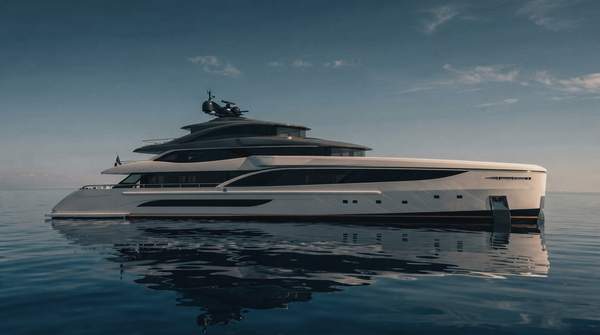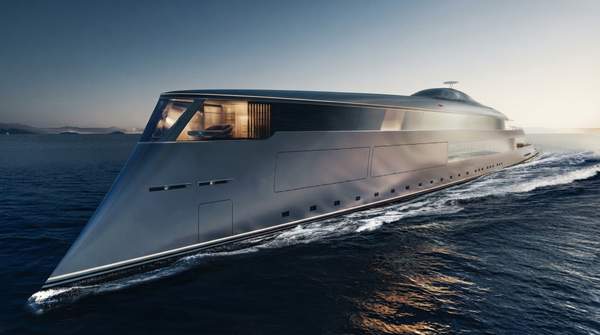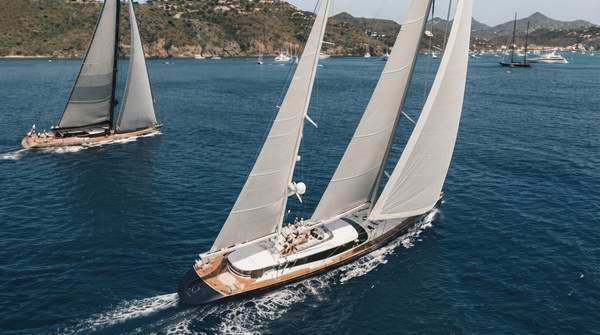
Sustainable luxury yacht design is not a single technology but a coordinated effort across three fronts: how a yacht moves, what it is made of, and how it manages resources once at sea. Builders such as Sanlorenzo describe a market shift in which owners want to reduce their carbon footprint "while still enjoying the prestige and performance they expect," and that demand is now visibly reshaping hull design, propulsion, and interiors alike. Understanding the three pillars — and where they overlap — is the clearest way to evaluate what any "eco" yacht actually delivers.
Pillar 1: Eco-Conscious Propulsion and Energy Systems
The most consequential pillar is propulsion. Leading builders are now integrating hybrid propulsion systems, advanced hull designs, and sustainable materials to minimize ecological impact, reflecting what Sanlorenzo characterizes as the values of a new generation of buyers. Hybrid systems pair electric motors with traditional diesel engines, allowing a yacht to run on battery power alone for silent, low-emission cruising and switch to conventional power when range or speed is required.
The design house of Opalinski, writing on eco-friendly approaches in luxury yachting, argues these systems "drastically reduce fuel consumption and emissions" while enabling silent cruising that enhances the onboard experience and minimizes disturbance to marine environments. The appeal is double-edged in the best sense: quiet running is both an environmental gain and a luxury feature, which is precisely why hybridization has moved from niche experiment to mainstream expectation.
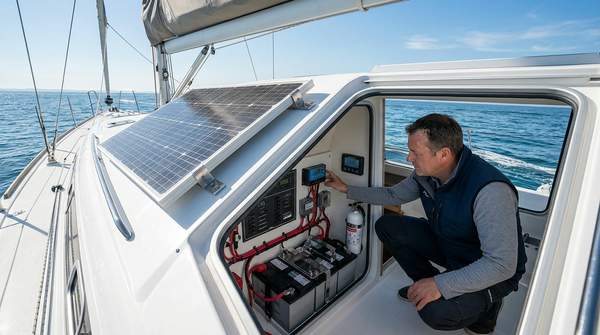
Energy generation matters as much as the drivetrain. Solar panels integrated into a yacht's superstructure harvest renewable energy to power onboard systems, reducing reliance on fossil fuels, while high-capacity lithium-ion batteries store that energy efficiently and extend autonomy. For owners evaluating propulsion, the meaningful distinction is between hybrid systems that reduce emissions during operation and renewable generation that offsets ongoing hotel-load consumption — two different mechanisms with complementary benefits.
Pillar 2: Sustainable Construction Materials and Methods
The second pillar concerns the yacht's physical substance. Sunreef Yachts' Eco program, which pairs basalt and linen as its signature materials, uses both in hulls, superstructures, and even yacht furniture. Basalt — a hard, dense rock of volcanic origin — is melted and drawn into fiber, and according to Sunreef, basalt fiber outperforms glass fiber in strength while releasing no greenhouse gases during fabrication and presenting no toxic reaction with air or water.
That production claim deserves context. Research on composite materials broadly supports the logic: a comparative life cycle assessment published in a 2025 journal on composites science analyzed vinyl ester composites reinforced with glass and basalt fibres on a cradle-to-gate basis, aiming to quantify and compare the environmental loads of their production. The wider composites literature likewise holds that reducing weight while maintaining or enhancing structural integrity allows greater fuel efficiency, lower emissions, and increased durability in harsh environments. A lighter hull compounds the benefits of hybrid propulsion, because less mass means less energy needed to move it.
Beyond exotic fibers, material choices extend to interiors and construction philosophy. Linen fiber offers a plant-based option for finishing materials, while modular design — championed by Opalinski — allows easier upgrades and repairs, extending a vessel's lifespan and reducing waste. In a market where refits are common and ownership horizons are long, designing for disassembly and adaptation is itself an environmental strategy: a yacht that can be upgraded rather than replaced avoids the embodied impact of building a new one.
Pillar 3: Advanced Onboard Operational Systems
The third pillar operates after launch. Closed-loop water systems recycle greywater onboard, conserving freshwater, while advanced waste treatment units minimize pollution and — critically for operators — help ensure compliance with stringent maritime environmental regulations. Opalinski frames these technologies alongside energy-efficient lighting and smart automation as part of making a yacht a high-tech floating residence rather than simply a vessel with green branding.
What distinguishes this pillar from the first two is that it governs daily behavior rather than one-time build decisions. Water and waste systems run continuously, whether a yacht is anchored for a week or crossing an ocean, so their cumulative effect on discharge and resource use is substantial even when each individual action seems minor. YATCO's design writing notes that current trends optimize space and usability through smart systems and multifunctional design, and onboard resource management is where that intelligence becomes environmental performance.
Key Pillars of Sustainable Luxury Yacht Design
The framework below categorizes the specific technologies and materials by pillar, showing how each one functions and where its environmental benefit actually arises — whether in reduced emissions, cleaner production, longer vessel life, or cleaner operation.
| Pillar | Technology / Material | Environmental Benefit |
|---|---|---|
| Propulsion & Energy | Hybrid propulsion (electric motors + conventional engines) | Reduced fuel consumption and emissions; silent cruising that minimizes disturbance to marine environments |
| Propulsion & Energy | Solar panels in the superstructure; lithium-ion storage | Renewable power for onboard systems, cutting fossil-fuel reliance and extending autonomy |
| Construction & Materials | Basalt fiber | Stronger than glass fiber; no greenhouse gases released during fabrication, per Sunreef's Eco program |
| Construction & Materials | Linen fiber | Naturally sourced alternative for hulls, structures, and furniture finishes |
| Construction & Materials | Modular design | Easier upgrades and repairs extend vessel lifespan and reduce waste |
| Onboard Systems | Closed-loop water systems | Greywater recycling conserves freshwater resources |
| Onboard Systems | Advanced waste treatment units | Minimize discharge and pollution; support regulatory compliance |
Balancing Sustainability with the Superyacht Standard
None of this happens in a vacuum. The central tension in sustainable superyacht design is that environmental measures must coexist with master suites, panoramic lounges, fine woods and marble, and the performance owners charter and purchase on. YATCO's overview of contemporary design observes that advanced lightweight materials like carbon fiber and composites have enhanced performance and durability "while maintaining sleek aesthetics" — evidence that the industry's habit is to fold environmental gains into luxury rather than trade one against the other.
Regulation sharpens the balance. Waste and water systems must meet stringent maritime environmental rules, which converts compliance from an afterthought into a design constraint that shapes equipment choices from the earliest drawings. The result, as Opalinski argues, is that well-executed yachts can achieve "remarkable reductions in carbon footprint without sacrificing performance or comfort" — though that claim reflects the design community's stated approach rather than an independently measured fleet-wide result.
Navigating Towards a Greener Horizon
My synthesis of the evidence is straightforward: yacht designers and owners should prioritize integrated sustainable solutions across propulsion, construction, and onboard systems to achieve meaningful environmental impact reduction without sacrificing luxury or performance, because the three pillars reinforce one another — lighter materials amplify hybrid efficiency, and renewable energy feeds the onboard systems that regulation demands. Watch the measurable indicator: increased adoption of certified sustainable materials and hybrid or alternative propulsion systems in new luxury yacht builds, alongside stricter regulatory compliance. When those appear together in a new build, the industry's green ambitions will have moved from marketing language into hulls, engines, and water systems.
Sources
- Sustainability & innovation in luxury yachting — Sanlorenzo Yachts UK
- The Future of Eco-Friendly Design Approaches in Luxury Yachting — Opalinski Design
- Sustainable Finishing Materials and Designs for Yachts — Sunreef Yachts Eco
- MDPI
- Introduction to Yacht Design — YATCO Luxury Yachts for Sale, Superyacht Charter & Business Services