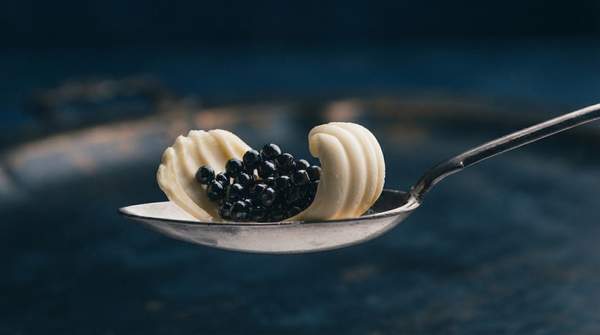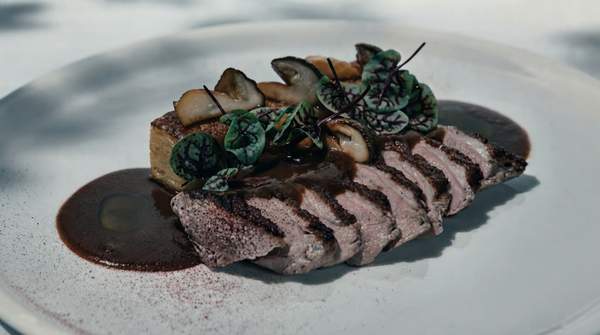
That "unforgettable" dish you once paid a fortune for? Chances are, it wasn't just the taste. Neurogastronomy — the study of how the brain constructs the experience of flavor — reveals that what you perceive as delicious is assembled from far more than your tongue. Aroma, texture, temperature, and even the color of the plate all feed into the brain's flavor factory. Leading chefs know this, and they design accordingly.
The Brain's Role in Flavor: Understanding Neurogastronomy
Here is the crucial distinction: taste happens on the tongue, limited to five basic sensations — sweet, sour, salty, bitter, and umami. Flavor happens in the brain. As Kirk Bachmann of the Auguste Escoffier School of Culinary Arts explains, flavor builds on taste but "pulls in aroma, texture, temperature, and context."
The field's guiding idea is bluntly stated by the researcher quoted in a Portside survey of the movement: "Our sensory and motor appreciation of what we have in our mouth is created by the brain. We can't have gastronomy without it." In other words, what we eat and why we eat it is as much a psychological phenomenon as a physical one — and the more we learn about flavor, the more we realize how easy it is to manipulate. Eating, long dismissed as mere survival instinct, turns out to be far richer than that.
Neurogastronomy in Action: A Sensory Manipulation Framework
Once you accept that flavor is a brain-built perception, the chef's job changes. Rather than just seasoning a dish, the neurogastronomically-minded chef curates the inputs the brain will use to construct the flavor experience. You can deconstruct almost any ambitious dish by asking which sense each element is engineered to target — sight, touch, or smell — and how that manipulation steers perception.
| Sensory Input | Culinary Manipulation | Impact on Flavor Perception | Key Example |
|---|---|---|---|
| Sight | Plate color, visual presentation, plating design | Shapes diner expectations before the first bite; visual choices extend beyond aesthetics to influence perceived quantity and overall quality | Adjusting plate color to make a dish feel more vibrant |
| Touch | Texture contrast, encapsulated liquids | Unexpected mouthfeel triggers surprise, which enhances taste perception and memorability | A sphere that bursts unexpectedly on the palate |
| Smell | Amplified aroma, olfactory layering | Aroma can make food feel more flavorful — especially valuable in low-sodium dishes where salt can't carry the experience | Boosting aroma to compensate for restricted seasoning |
Notice what the framework leaves out: the tongue itself. By the neurogastronomy view, taste buds contribute only the five basic sensations; the complexity, the surprise, the memory — all of that is added downstream by the brain interpreting the full sensory picture.