The most effective biophilic design in a luxury residence is not a checklist of plants and skylights applied uniformly. It is a matching exercise: pairing specific interventions—daylight strategies, living walls, water features, natural materials—with your property's site conditions and your personal well-being goals, whether that is stress reduction, better sleep, or simply a calmer home. Design writers covering the luxury market note that biophilic principles can manifest differently across locations and can be applied equally to high-rise condo units, single-level ranch homes, or estates on extensive properties.
The Essence of Biophilic Design in Luxury Living
Biophilic design works by strengthening the innate connection between people and the natural world within the built environment. In residential settings, it often manifests through large windows that frame outdoor views, seamless indoor-outdoor transitions, wood or stone finishes, and layouts that promote airflow and natural light, as described by Moss Architecture, a Chicago-area firm writing on residential biophilic strategies. Rather than simply adding plants or visual references, these strategies are integrated into the structure and planning of a home.
The well-being case is well documented. Writing for the architecture firm Shepley Bulfinch, one author notes that biophilic elements such as natural lighting, greenery, and organic textures have been shown to reduce stress, enhance cognitive function, accelerate healing, and promote overall well-being, citing a 2021 research review by Zhong, Schröder, and Bekkering. For the luxury homeowner, the appeal is a home that feels calming, restorative, and inherently human rather than merely decorated.
Decision Framework: Tailoring Biophilic Strategies to Your Luxury Home
The framework below maps core biophilic principles to concrete interventions, their primary well-being benefits, and the site contexts where they fit best. Use it in two passes: first identify your site archetype—urban high-rise, suburban detached home, or expansive estate—then prioritize the rows that serve your most important wellness goal.
| Design Principle | Specific Intervention | Primary Well-being Benefit | Ideal Site Context |
|---|---|---|---|
| Natural Light & Views | Large windows, sliding glass doors, skylights, clerestory windows, light wells; louvres and shading devices to control glare | Stress reduction, improved mood, better sleep through circadian regulation, enhanced cognitive function | Adaptable to all contexts; implementation varies with orientation and architectural constraints |
| Living Greenery | Indoor plants, living walls, framed views of greenery | Better air quality, eased stress, improved mood | Compact urban dwellings through expansive estates; scale customized to available space |
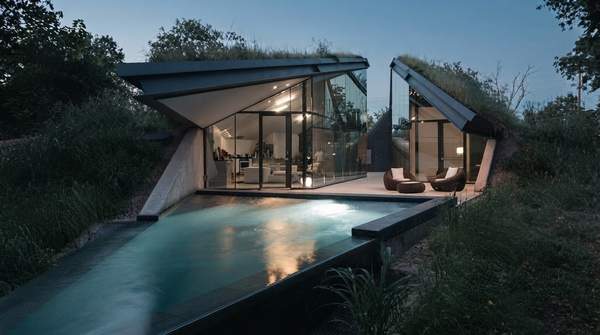
| Water Elements | Indoor water features, views of pools or fountains in the yard | Sense of calm and tranquillity; flowing water adds a refreshing sensory layer | Works indoors and out; yard-based features suit properties with exterior space |
| Natural Materials & Textures | Wood or stone finishes, natural finishes, low-VOC products, breathable assemblies | Immediate comfort, groundedness, fresh and welcoming interiors | Universal; species and stone choices can be tailored to regional character |
| Natural Ventilation | Cross-ventilation, stack-effect strategies, open windows and doors | Fresh air and reduced reliance on mechanical systems, where outdoor air quality is high | Best where local air quality permits; estate and suburban sites often advantaged |
RISMedia's coverage of biophilic design in luxury homes reports research correlations between natural light and improved sleep, between plants or living walls and better air quality, and between water features and a sense of well-being. Those three correlations anchor the benefit column above.