In hospitals adopting biophilic design principles, patient mortality rates have been shown to decrease, alongside reduced hospitalization times and pain levels, according to the Global Wellness Institute. This counterintuitive finding elevates natural elements from comfort features to critical interventions, directly saving lives and improving recovery. Biophilia profoundly impacts patient mental well-being.
Modern life increasingly confines individuals indoors, yet our fundamental human biology demands a connection with nature for optimal mental and physical health. This disconnect creates a tension between our built environments and our intrinsic biological needs.
As the scientific evidence for biophilic design's health benefits mounts, it is likely to become a non-negotiable standard for high-value residential and commercial properties, rather than a mere amenity for luxury living, by 2026.
More Than Just Plants: Defining Biophilic Design
Biophilic design, at its core, acknowledges humanity's innate attraction to nature, a concept known as biophilia. This design approach intentionally integrates natural elements and processes into the built environment, fostering psychological well-being, according to ScienceDirect. It moves beyond simply adding potted plants to creating spaces that mimic natural systems and patterns, aiming to restore and maintain human connection with the natural world.
Biophilic design is not merely aesthetic. Biophilic design is a fundamental approach to creating environments that support our innate need for nature, directly impacting mental well-being. This approach moves beyond superficial greening, suggesting that true well-being demands a deeper, systemic integration of natural patterns into our daily lives. It seeks to create spaces that feel alive and responsive, much like natural ecosystems.
The Science Behind Nature's Healing Power
Scientific evidence consistently demonstrates a broad spectrum of mental and physical health benefits derived from biophilic principles. Biophilic design can reduce stress, enhance creativity and clarity of thought, improve overall well-being, and expedite healing, notes Terrapin Bright Green. These benefits are not merely anecdotal.

Specific biophilic interventions improve relaxation, reduce stress, alleviate depressive symptoms, and provide pain relief, according to PMC. The Global Wellness Institute offers concrete outcomes: reduced hospitalization time, lower patient mortality, decreased pain levels, and less stress for healthcare providers. Integrating natural elements provides measurable health improvements, from cognitive function to emotional regulation, suggesting a systemic enhancement of the entire care environment, as confirmed by overwhelming scientific evidence.
Beyond Aesthetics: Biophilia as a Luxury Imperative
Biophilic design is rapidly becoming a defining feature of luxury living. Its tangible health benefits drive this shift. Nature connectedness offers relaxation, stress relief, lower blood pressure and heart rate, decreased chronic pain, improved cognitive functioning, increased positive emotions, and reduced fatigue, aggression, and sadness, as detailed by PMC. Profound impacts extend beyond patients to significantly reduce stress for healthcare providers, suggesting a systemic improvement in the entire care environment.
Biophilic design is a key differentiator, signaling a sophisticated understanding of occupant needs beyond mere material wealth. In the luxury market, biophilic design offers a premium on holistic well-being that traditional opulence cannot match. Individuals living or working in biophilic spaces experience measurable improvements, making these designs a strategic choice for high-value properties.
Why Your Environment Matters More Than You Think
Modern life increasingly isolates us from natural environments, making intentionally designed biophilic spaces crucial for maintaining health, productivity, and overall quality of life. Embracing these principles could therefore redefine workplace wellness strategies, moving beyond perks to foundational environmental support. Biophilic principles are a critical, underutilized tool for mitigating burnout and improving staff retention in high-pressure environments, as indicated by consistent evidence from PMC and Terrapin Bright Green regarding stress reduction and improved well-being, coupled with the Global Wellness Institute's data on reduced healthcare provider stress.
Based on the Global Wellness Institute's findings that biophilic design reduces patient mortality and hospitalization time, healthcare systems failing to integrate natural elements are not just missing an opportunity for comfort. They actively compromise patient outcomes and increase operational costs. Nature's fundamental necessity in our daily environments is clear.
Your Biophilic Questions, Answered
What are some common biophilic design patterns?
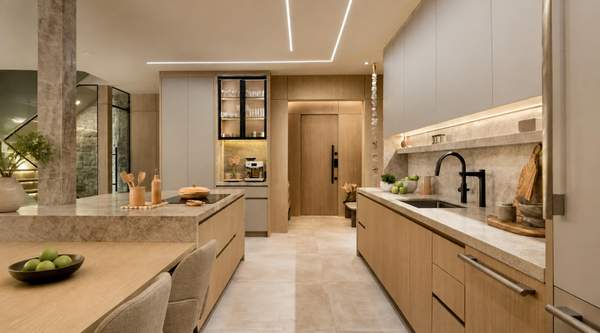
Biophilic design utilizes various patterns to connect humans with nature. Key patterns include visual connection with nature, which involves views of natural landscapes or elements. Another is non-rhythmic sensory stimuli, incorporating dynamic natural elements like flowing water or dappled light. Material connection with nature uses authentic natural materials such as wood or stone.
Can biophilic design be integrated into urban environments?
Yes, biophilic design can be effectively integrated into dense urban settings. This can be achieved through vertical gardens, green roofs, and the strategic placement of parks and green spaces. Even small urban balconies or interior courtyards can be designed with natural light, plant life, and natural textures to create impactful micro-biophilic zones.
What are the long-term maintenance considerations for biophilic spaces?
Maintaining living elements in biophilic designs requires attention to irrigation, light, and plant health. Automated systems can significantly reduce the effort involved in plant care. Selecting native or low-maintenance plant species is also crucial for sustainable long-term integration, minimizing resource consumption and upkeep.
The Future is Green: A New Standard for Living Well
The profound, life-saving impacts of biophilic design in clinical settings, as reported by the Global Wellness Institute, fundamentally shift its perception. It moves beyond a mere aesthetic choice to a critical medical imperative, leveraging inherent human biology for measurable health outcomes. A paradigm shift means that by 2026, the absence of biophilic principles in high-value residential and commercial properties will likely be seen not as a design oversight, but as a tangible deficit in occupant well-being and property value.
As scientific evidence continues to mount, biophilic design will become an indispensable element of future-forward living, driving a new standard for intentional design. It promises not just enhanced environments, but a redefinition of what constitutes true luxury: spaces that actively nurture human health and vitality, making it a non-negotiable expectation for discerning individuals and progressive developers alike.