Climate change is no longer a distant worry for the world's great wine regions — it is already reshaping what ends up in the bottle. In Australia, hotter temperatures are compressing harvests into ever-narrower windows and disrupting the balance of sugar, colour and flavour in ripening grapes. In Tuscany, researchers warn that the bond between wine and terroir — the very identity of the region's bottles — is at risk of weakening. And in Bordeaux, winegrowers are reworking centuries of tradition, from pruning dates to planting density, to keep their wines balanced as temperatures rise.
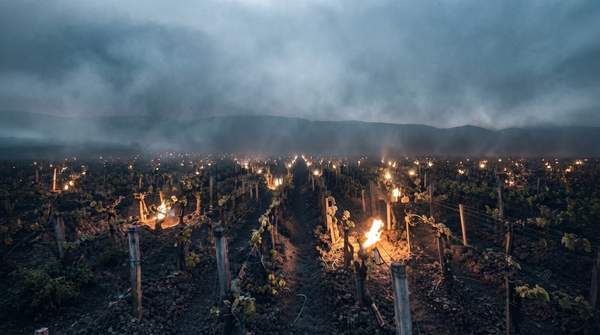
The good news? Each region is responding with its own portfolio of adaptations, from delayed pruning and sprinkler cooling to high-resolution water monitoring. Understanding which strategies are working — and where the limits lie — gives buyers and investors a real lens on regional resilience. Here is how three of the world's most prestigious wine territories are confronting the same threat in strikingly different ways.
The Science of the Sip: Climate's Impact on Grape Chemistry
Why does a degree or two matter so much? It comes down to how grapes ripen. Warmer temperatures accelerate ripening and compress it into a shorter period, which means sugar accumulates faster than the compounds responsible for colour, flavour and freshness can develop in harmony. The result, as Wine Australia's research programme on adapting to a warmer, drier climate explains, is a disruption of the balance between sugar, colour and flavour — and, frequently, wines with higher alcohol levels.
Compression creates a logistical crisis too. When everything ripens at once, wineries lack the harvesting and crushing capacity to process fruit quickly enough, and grapes left waiting become overripe, degrading quality. Expanding facilities is one answer, but that strains a capital-intensive industry. The alternative is to manage the vine itself so that ripening spreads out and shifts into cooler conditions.
There is a subtler threat as well: regional character. Warmer ripening conditions, Wine Australia notes, carry the potential loss of the distinctive style that makes a region's wine recognisable in the first place. For luxury wines, whose value rests on identity and typicality as much as on technical quality, that is the deepest risk of all — one that a study of winegrowers in Tuscany and Languedoc-Roussillon describes as putting the "incontrovertible" bond between wine and place at risk of fading.