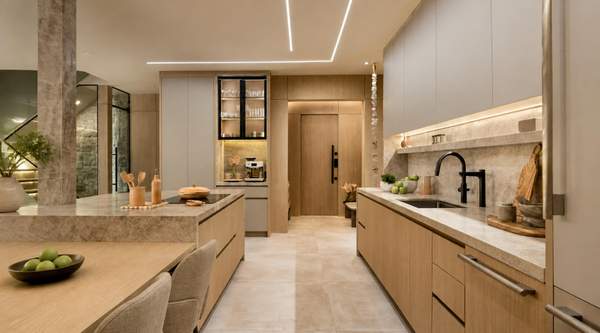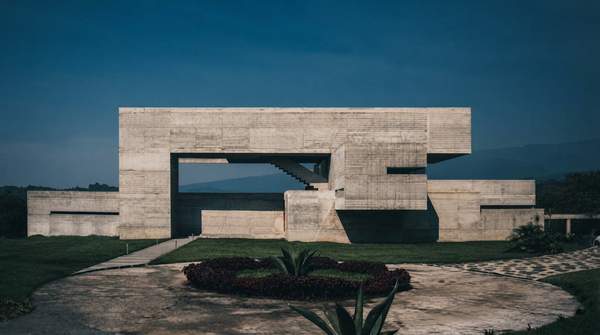
Brutalist architecture, long associated with imposing government buildings and university campuses, is experiencing a surprising resurgence in the world of luxury residential design. The style, once criticized for its perceived coldness, is being reinterpreted with a focus on warmth, comfort, and livability. Contemporary designers are selectively adapting Brutalism’s core tenets—raw materials, geometric forms, and functionalism—by softening its industrial edge. This modern approach balances the ruggedness of exposed concrete with natural accents and refined craftsmanship, creating a sophisticated aesthetic that has been called "Warm Brutalism." The result is a transformation of a historically public and institutional style into a sought-after language for private, high-end homes.
Historical Brutalism: Raw Forms and Functional Ethos
The original Brutalist movement, which flourished from the 1950s to the 1970s, was defined by an unapologetic honesty of materials and a focus on function over any form of decoration. Its signature element is exposed raw concrete, or béton brut, a term that gave the style its name. This approach often left the texture and patterns from wooden formwork, known as "board-marking," visible on the concrete surfaces, deliberately celebrating the construction process itself. According to the firm Ralston Architects, the style’s core features include raw materials like concrete, steel, and brick, which emphasize texture and authenticity, allowing the building's structure to become its primary visual element.
This philosophy was a product of its time. As detailed in an article in M/C Journal, proponents sought to create an aesthetic for an age of science and machine mass production. The goal was to create buildings with a visible sense of weight and permanence, prioritizing function above all else. This made it a popular choice for large-scale institutional projects, including universities, government offices, cultural centers, and social housing complexes. Buildings like Boston City Hall and London's National Theatre were designed to make a monumental impact. However, this very dominance has led to a contested legacy; while celebrated for its powerful, sculptural beauty, Brutalism has also been criticized by the public for feeling domineering and cold.